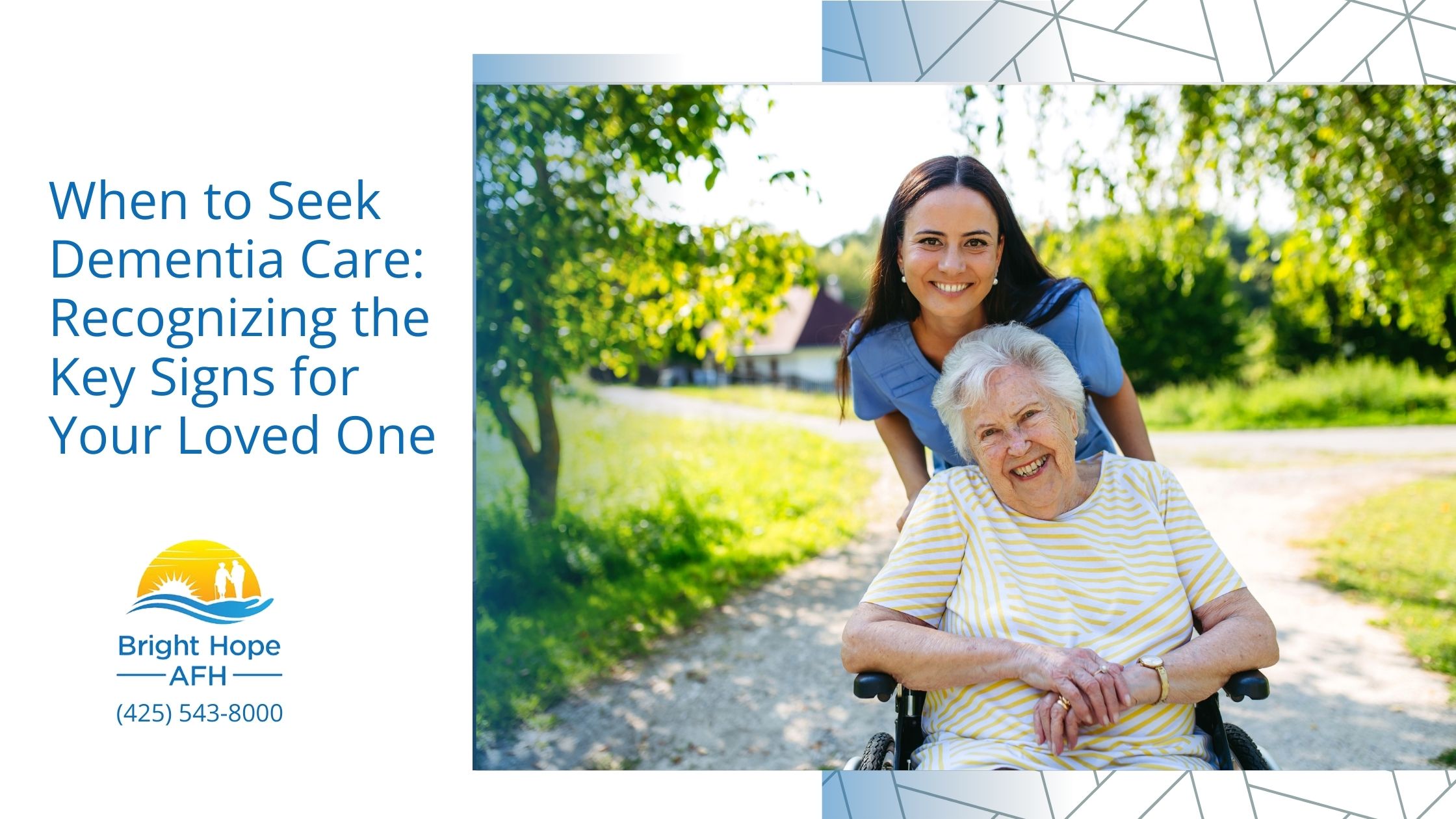
When to Seek Dementia Care Recognizing the Key Signs for Your Loved One

When to Seek Dementia Care: Recognizing the Key Signs for Your Loved One

The journey with a loved one experiencing cognitive decline is often marked by subtle changes, heartfelt adaptations, and difficult questions. One of the most pressing questions families face is understanding when to seek dementia care. Recognizing the transition from manageable forgetfulness to a stage requiring professional, supportive intervention is crucial for the safety, well-being, and quality of life of your loved one—and for your own peace of mind as a caregiver. It’s rarely a single moment, but a series of signs that collectively signal the need for a more supportive environment, like the one offered at Bright Hope Adult Family Home.

Dementia, including Alzheimer’s disease, progresses through stages, and its signs can be easy to dismiss or attribute to normal aging at first. However, certain changes in behavior, cognition, and daily functioning are key indicators that it’s time to explore dedicated care options.

1. Compromised Safety at Home
This is often the most non-negotiable sign. Ask yourself: Is the home environment becoming hazardous? Watch for:

  • Wandering: Getting lost in familiar neighborhoods or leaving the house disoriented.
  • Forgetting Safety: Leaving the stove on, doors unlocked, or cigarettes unattended.
  • Falling Risks: Unsteady gait, poor judgment, or forgetting to use walking aids.
  • Poor Medication Management: Taking incorrect doses, skipping meds, or accidentally overdosing.

If you find yourself worrying constantly about their physical safety when you’re not there, it’s a clear signal that supervision is needed.

2. Decline in Personal Hygiene and Self-Care
A noticeable shift in personal care routines can be a profound sign of dementia’s progression. This may include:

  • Wearing the same clothes repeatedly or dressing inappropriately for the weather.
  • Forgetting to bathe, brush teeth, or perform basic grooming.
  • Showing a lack of interest or awareness in their own cleanliness.
  • Incontinence, which can be both a medical issue and a source of embarrassment and skin breakdown.

These changes are not simply about stubbornness; they reflect a cognitive inability to sequence tasks or understand their importance.

3. Significant Weight Loss or Poor Nutrition
Dementia can disrupt the entire process of eating. Your loved one may:

  • Forget to eat meals or believe they have already eaten.
  • Lose the ability to plan and prepare simple meals, resulting in spoiled food or unsafe cooking attempts.
  • Have difficulty using utensils.
  • Forget to drink water, leading to dehydration.

Unexplained weight loss is a serious medical concern and a strong indicator that daily supportive care is necessary.

4. Increased Isolation and Withdrawal
Notice if your once-social family member is withdrawing from hobbies, social gatherings, or family conversations. This can stem from:

  • Fear of embarrassment over forgetting names or conversations.
  • Difficulty following storylines on TV or in group chats.
  • Apathy, a common neuropsychiatric symptom of dementia.
  • Loss of interest in activities they once loved, like gardening or cards.

Social isolation can accelerate cognitive decline and contribute to depression.

5. Caregiver Burnout and Declining Family Health
The signs aren’t only in your loved one—they’re in you and other family caregivers. If you are experiencing chronic exhaustion, anxiety, resentment, or if your own health and work are suffering, it’s a critical sign that the care demands have exceeded what can be managed at home. Caregiving is a marathon, not a sprint, and seeking help is a strength, not a failure. It ensures you can transition into the role of a loving visitor rather than an exhausted primary caregiver.

6. Sundowning and Severe Behavioral Changes
Increased confusion, anxiety, agitation, or aggression that escalates in the late afternoon or evening (sundowning) can be extremely challenging to manage. Other behavioral signs include:

  • Paranoia, accusations, or hallucinations.
  • Severe mood swings that are out of character.
  • Verbally or physically aggressive outbursts.

These behaviors are symptoms of the disease and often require specialized, patient handling techniques that trained professionals are equipped to provide.

Taking the Next Step with Compassion

Recognizing these signs is the first, brave step. The next is exploring a care setting that feels like a true home, not an institution. An adult family home, like Bright Hope Adult Family Home, offers a ideal solution for many families. With a smaller resident-to-caregiver ratio, a familiar residential setting, and personalized attention, it provides the safety, structure, and specialized dementia care your loved one needs, while preserving their dignity and sense of self.

At Bright Hope Adult Family Home, our trained staff creates a nurturing environment with structured routines, engaging activities, and compassionate support tailored to each resident’s unique journey. We understand the complex emotions families face and are here to partner with you.

If you’re seeing these key signs, it’s time to have a family conversation and explore your options. Seeking support is an act of profound love. For more guidance on navigating these early conversations, visit our resource page on starting the talk about memory care. To understand the wider landscape of care options, you may find this overview from the Alzheimer’s Association helpful. Remember, you don’t have to walk this path alone.

Scroll to Top