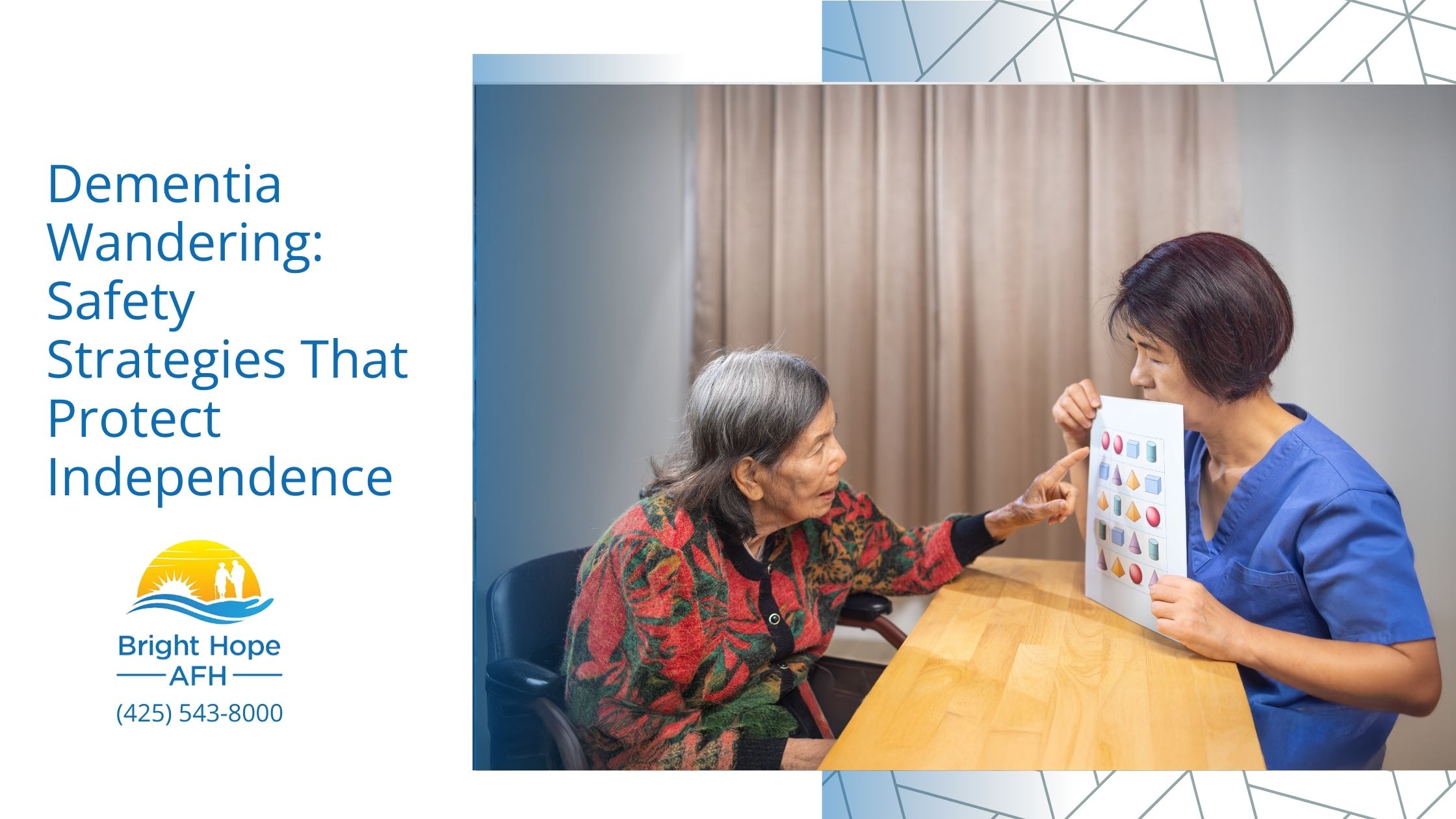
The word “wandering” often carries a negative connotation, implying aimlessness or being lost. But in the context of cognitive care, dementia wandering is a complex behavior rooted in unmet needs, confusion, or past routines. It’s one of the most stressful and dangerous challenges for families, sparking a constant fear for a loved one’s safety. However, the ultimate goal isn’t to create a lockdown; it’s to implement compassionate safety strategies that manage risk while fiercely protecting the individual’s dignity and independence. At Bright Hope Adult Family Home, we believe that a secure environment is one that empowers, not restricts.
Understanding the ‘Why’ Behind Wandering
Before deploying solutions, we must seek to understand. Wandering is a form of communication. It might signal boredom, pain, hunger, or the need for a bathroom. A person might be searching for something familiar—a past home, a childhood memory, or a former workplace. They may be expressing anxiety or following a deeply ingrained habit, like going for a daily walk. Recognizing these potential triggers is the first step in proactive care. By addressing the root cause—offering a snack, initiating a meaningful activity, or ensuring comfort—we can often prevent the impulse to wander before it begins.
Creating a Safe & Supportive Home Environment
The home should be a sanctuary of safety where exploration is encouraged within clear boundaries. This involves a blend of practical modifications and thoughtful design.
- Discreet Security: Replace traditional locks with child-proof covers, install door alarms or chimes, and consider GPS tracking devices designed for dementia. These tools provide alerts without making the individual feel trapped.
- Clear Pathways and Visibility: Ensure halls and common areas are well-lit and free of clutter. This reduces confusion and fall risks while allowing for safe movement.
- Engaging Spaces: Create a dedicated “wandering path” indoors, perhaps a loop through the living room and kitchen, with stimulating items like a rummage drawer, tactile fabrics, or family photo albums along the way. A secured garden or courtyard offers priceless access to fresh air and nature.
The Power of Routine and Engagement
A structured yet flexible daily routine is a powerful antidote to anxiety and restlessness. Consistent times for meals, walks, activities, and rest provide a comforting rhythm. More crucially, meaningful engagement is key.
- Purposeful Activities: Tailor activities to the person’s past interests—folding laundry, simple gardening, sorting objects, or listening to familiar music. This provides a sense of purpose and reduces the urge to wander in search of something to do.
- Physical Exercise: Scheduled walks or light seated exercises can fulfill the need for movement in a safe, supervised manner, often reducing spontaneous wandering later.
- Social Connection: Regular, positive interaction is fundamental. Loneliness can be a significant trigger for seeking company or a familiar face.
Communication and Community Preparedness
Safety extends beyond the front door. Involving your community creates a protective network.
- Neighbor Alert: Inform trusted neighbors about the situation. Provide them with a recent photo and your contact number, asking them to gently intervene if they see your loved one alone.
- ID Essentials: Ensure the person always wears identification, such a bracelet or necklace, and has updated contact information in their pocket. Consider clothing labels with name and phone number.
- First Responder Awareness: Many local police and fire departments offer registry programs for individuals with cognitive conditions. They keep information on file so responders can assist quickly if needed.
Balancing Safety with Autonomy at Bright Hope Adult Family Home
This balance is the core of our philosophy at Bright Hope Adult Family Home. We see beyond the behavior to the individual. Our approach is never one-size-fits-all. We create personalized care plans that incorporate these safety strategies seamlessly into daily life. Our secured, homelike environment is designed to feel open and inviting, not institutional. We offer scheduled outings and supervised walks to honor the need for exploration. By focusing on engagement, nutrition, hydration, and comfort, we proactively address the needs that often drive wandering.
For more on our person-centered approach to creating a supportive environment, explore our philosophy on specialized dementia care.
A Final Note of Compassion
Navigating dementia wandering requires immense patience, empathy, and resilience. It’s about layering strategies—environmental, communicative, and engagement-based—to build a comprehensive safety net. The aim is to reduce risks so that both the individual and their caregivers can experience more moments of peace, connection, and joy. By focusing on protection that nurtures independence, we honor the person within, ensuring they live with the dignity and security they deserve.