Living with Parkinson’s disease is a journey that extends far beyond its well-known physical symptoms. The tremor, rigidity, and slowness of movement are only one part of the picture. An often-overlooked but profoundly impactful aspect is Parkinson’s mental health. Conditions like anxiety, depression, and apathy are not mere reactions to a difficult diagnosis; they are intrinsic to the neurochemical changes of the disease itself. For many individuals and their families, managing the relentless worry, panic attacks, and pervasive sense of unease can be as challenging as managing motor symptoms. This post is dedicated to shedding light on strategies for coping with anxiety, offering a beacon of hope and practical tools for reclaiming a sense of calm and control.
Understanding the Link: Why Anxiety is So Common in Parkinson’s
Anxiety in Parkinson’s isn’t simply “worrying about the future.” It’s a complex interplay of brain chemistry. The same depletion of dopamine that affects movement also disrupts the brain circuits that regulate mood and the stress response. Furthermore, reductions in other neurotransmitters like serotonin and norepinephrine play a direct role. This biological reality means anxiety can surface at any point—sometimes even before a motor diagnosis. It can manifest as generalized anxiety, social anxiety, panic attacks, or specific fears related to symptoms freezing in public. Acknowledging that this anxiety is part of the illness is the first, crucial step toward addressing it with compassion and effective strategy.
Building Your Coping Toolkit: Multifaceted Strategies for Relief
Managing anxiety effectively requires a holistic approach, combining medical, therapeutic, and lifestyle interventions. Here are key strategies to integrate into your life:
1. Open Communication with Your Healthcare Team:
Never dismiss anxiety as “something you just have to live with.” Be explicit with your neurologist or movement disorder specialist about your mental health. They can review your medication regimen, as timing and dosage of Parkinson’s medications can sometimes contribute to anxiety fluctuations. They may also discuss the potential benefits of medications specifically for anxiety or depression. A tailored medical plan is the foundation.
2. Embrace Psychotherapy, Particularly CBT:
Cognitive Behavioral Therapy (CBT) is a gold-standard, talk-based treatment for anxiety. It works by helping you identify and challenge the negative thought patterns and catastrophic thinking that fuel anxiety. A therapist skilled in chronic illness can help you develop practical skills to manage panic, reduce avoidance behaviors, and build resilience. This is a powerful form of self-empowerment.
3. Prioritize Movement (Safely and Mindfully):
Exercise is potent medicine for both body and mind. Beyond its neuroprotective benefits for Parkinson’s, physical activity releases endorphins and reduces stress hormones. The key is to find activities you enjoy and can do safely—whether it’s tai chi (excellent for balance and calm), walking, dancing, or seated yoga. The goal is consistent movement, not intensity.
4. Practice Mindfulness and Meditation:
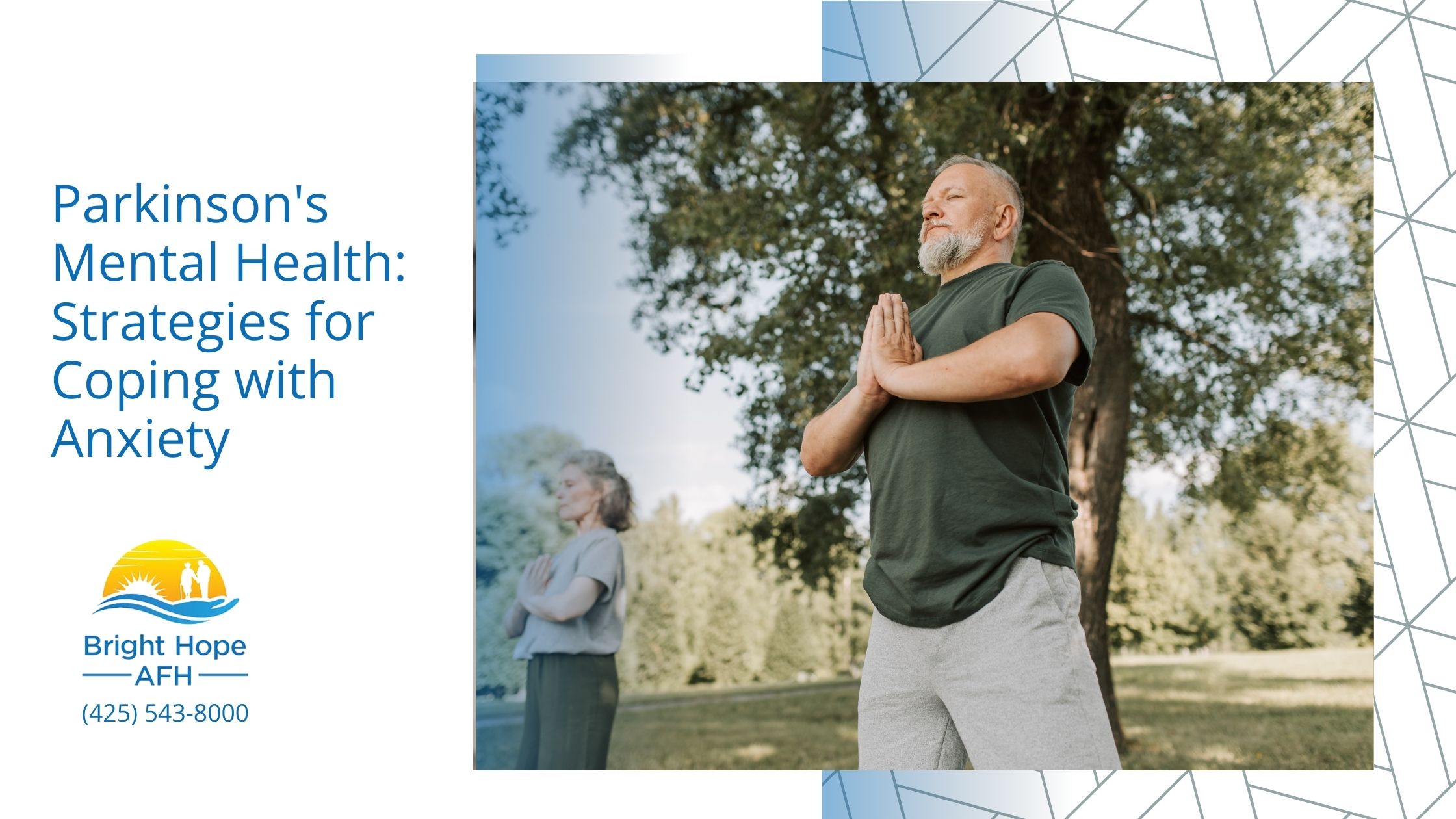
Anxiety lives in the “what ifs” of the future. Mindfulness techniques gently train the brain to anchor itself in the present moment. Practices like deep breathing, guided meditation, or simply focusing on sensory details can interrupt the cycle of anxious thoughts. Apps and online videos offer excellent guided sessions for beginners. Regular practice can change your brain’s relationship to worry.
5. Structure and Routine are Your Allies:
Uncertainty breeds anxiety. Creating a predictable daily routine provides a sense of stability and control. Structure your day with consistent times for meals, medication, exercise, relaxation, and social connection. This reduces the mental load of constant decision-making and creates a comforting rhythm.
6. Cultivate Your Support Network:
Isolation magnifies anxiety. Actively combat this by connecting with others. This includes family and friends, but also the profound understanding found in a Parkinson’s support group. Sharing experiences and coping strategies with those who truly “get it” can be incredibly validating and reducing feelings of loneliness. For families seeking a supportive residential community that prioritizes this holistic well-being, Bright Hope Adult Family Home specializes in compassionate care that addresses both the physical and emotional needs of those living with Parkinson’s.
7. Focus on Nutrition and Sleep:
The gut-brain connection is real. A balanced diet rich in fruits, vegetables, and whole fibers supports overall brain health. Limit caffeine and sugar, which can exacerbate anxiety symptoms. Likewise, prioritize sleep hygiene, as fatigue is a major anxiety trigger. Address sleep issues like insomnia or REM sleep behavior disorder with your doctor.
A Note for Care Partners: Supporting Without Burning Out
If you are a care partner, your role is vital. Encourage open conversation about anxiety without judgment. You can help implement routines, join in on mindfulness exercises, and facilitate connections to support groups or therapists. However, your own mental health is non-negotiable. To sustain your ability to provide support, you must also practice self-care and seek your own respite. Remember, you cannot pour from an empty cup.
Finding Hope and Moving Forward
Anxiety in Parkinson’s is a formidable challenge, but it is not insurmountable. By viewing mental health as integral to overall disease management and proactively building a personalized toolkit, you can reduce the shadow of anxiety and improve your quality of life. Progress may be gradual, and some days will be harder than others. The goal is not perfection, but increased moments of peace, resilience, and connection.
You are not defined by Parkinson’s, nor by the anxiety that may accompany it. With the right strategies, support, and professional guidance, you can navigate this storm and find calm within it. Reach out, speak up, and take one small step today toward better mental well-being. For further insights on building a comprehensive care plan, explore our guide on creating a holistic Parkinson’s care plan. Remember, organizations like the Parkinson’s Foundation offer invaluable resources and can help you find support in your local area.