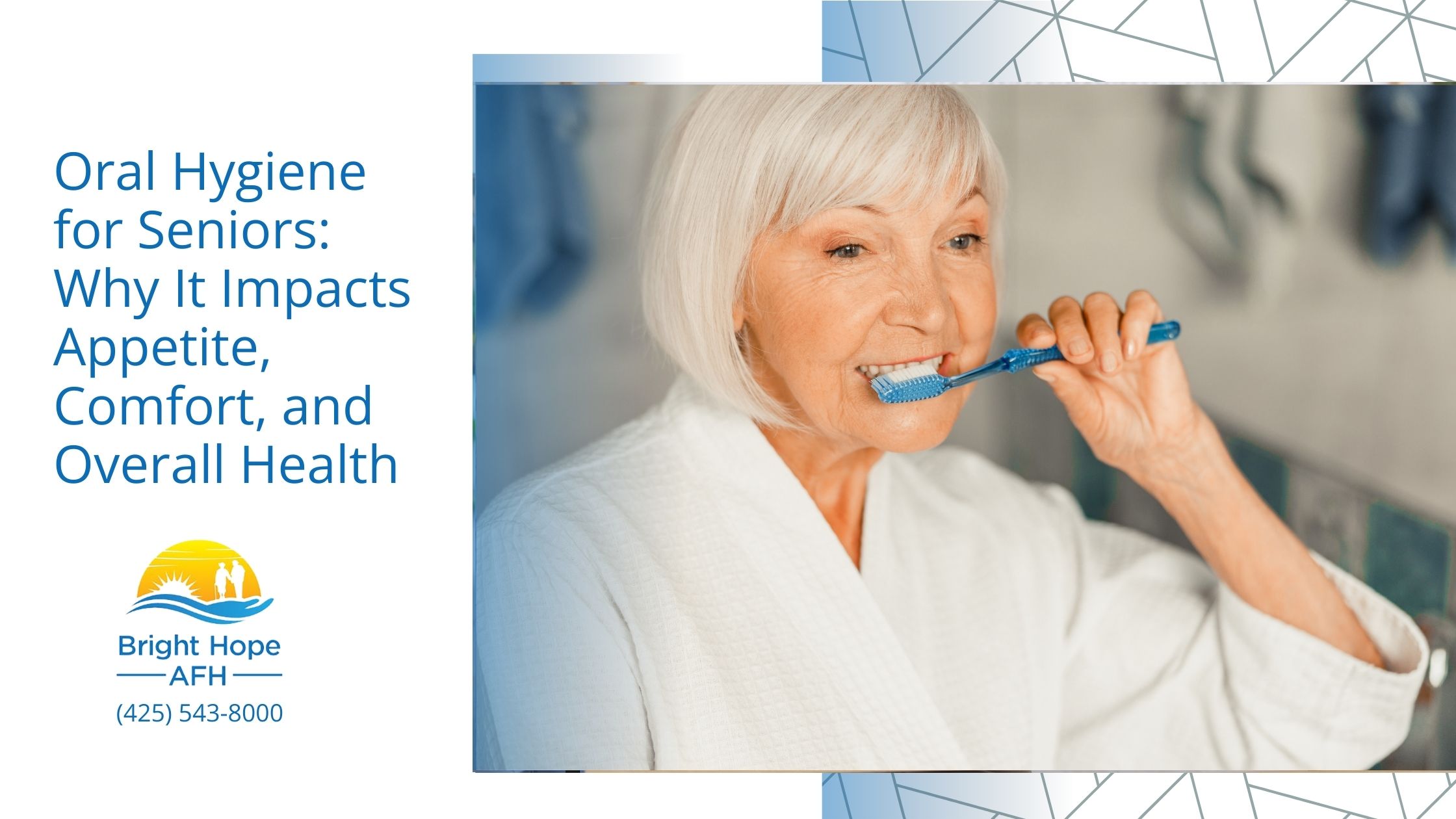
A radiant smile isn’t just about appearance—it’s a window into overall well-being. For older adults, maintaining proper oral hygiene goes far beyond preventing cavities. At Bright Hope Adult Family Home, we have witnessed firsthand how neglected dental care can trigger a cascade of health issues, beginning with something as fundamental as the joy of eating. When seniors experience oral pain or ill-fitting dentures, the simple act of sharing a meal becomes a source of distress, leading to reduced food intake and social withdrawal. This blog post explores the profound connections between oral health, appetite, comfort, and systemic wellness, and offers actionable strategies for caregivers and families.
When Eating Becomes a Chore: The Appetite Connection
Imagine spending decades savoring your favorite foods, only to find that chewing has become painful or that food no longer tastes the same. This is the reality for millions of seniors with untreated oral conditions. Declining oral hygiene often results in gum disease, tooth decay, and denture-related sores, which directly impair chewing efficiency. A 2021 study published in the Journal of Dental Research found that older adults with fewer than 21 natural teeth are significantly more likely to develop protein-energy malnutrition.
Why does this happen? The mechanics are simple: when chewing hurts, seniors unconsciously avoid hard, fibrous foods like fresh vegetables, fruits, and lean meats. Instead, they gravitate toward soft, processed options that are often high in sugar and low in essential nutrients. This dietary shift not only accelerates muscle wasting but also weakens the immune system. At Bright Hope Adult Family Home, our care plans prioritize regular dental screenings because we recognize that a pain-free mouth is the gateway to adequate nutrition. By addressing oral issues promptly, we help residents rediscover the pleasure of eating, which in turn supports their physical strength and emotional well-being.
Beyond Discomfort: Oral Pain and Quality of Life
Oral health problems rarely remain isolated in the mouth. Chronic conditions such as advanced periodontitis or untreated root decay cause persistent pain that radiates to the head, neck, and ears. This constant discomfort disrupts sleep, heightens irritability, and can even mimic symptoms of depression or dementia. Seniors with limited verbal communication skills may express their distress through agitation, refusal to eat, or social isolation—behaviors sometimes mistaken for cognitive decline.
Moreover, the financial burden of emergency dental care creates additional stress. Many seniors on fixed incomes delay routine visits, hoping problems will resolve on their own. Unfortunately, this often leads to more invasive and expensive interventions later. For caregivers, understanding these warning signs is crucial. Regular oral assessments should be as routine as checking blood pressure. As the American Dental Association emphasizes, preventive care is particularly vital for aging populations, as it preserves dignity and prevents avoidable suffering. (This outbound link provides authoritative guidelines on senior dental health.)
The Mouth-Body Connection: Systemic Health at Stake
The implications of poor oral hygiene extend far beyond the mouth. The oral cavity serves as a gateway for bacteria to enter the bloodstream, potentially triggering inflammation throughout the body. Extensive research links periodontal disease to a host of systemic conditions prevalent among seniors:
Cardiovascular Disease: Oral bacteria can adhere to fatty plaques in the arteries, contributing to atherosclerosis. Individuals with gum disease have nearly twice the risk of heart attack.
Diabetes Complications: Diabetes and periodontal disease share a bidirectional relationship. Uncontrolled blood sugar exacerbates gum infections, while severe gum disease makes glycemic control more difficult.
Respiratory Infections: Aspiration pneumonia—a leading cause of death in long-term care facilities—often originates from bacteria in the oral cavity being inhaled into the lungs. Rigorous daily oral care can reduce pneumonia risk by up to 40%.
Cognitive Decline: Emerging evidence suggests that chronic inflammation from gum disease may accelerate neurodegeneration in Alzheimer’s disease. While research is ongoing, maintaining oral health is considered a modifiable risk factor.
At Bright Hope Adult Family Home, our interdisciplinary team integrates oral care into our broader wellness programs. We collaborate with visiting dental professionals and train staff to recognize early signs of systemic issues that may first appear in the mouth. This holistic approach reflects our commitment to treating the whole person, not just individual symptoms.
Practical Strategies for Preserving Senior Oral Health
Protecting an aging loved one’s smile requires a combination of daily habits, professional oversight, and environmental adaptations. Here are evidence-based approaches we implement at Bright Hope:
1. Rethink the Tools
Arthritis, Parkinson’s disease, and reduced grip strength can make traditional toothbrushes unusable. Electric toothbrushes with large, ergonomic handles reduce the need for fine motor control. For seniors with limited mouth opening, angled or three-headed brushes improve access. Interdental brushes often prove easier to maneuver than floss.
2. Hydration Is Medicine
Dry mouth (xerostomia) affects the majority of seniors, frequently as a side effect of medications for blood pressure, depression, or allergies. Saliva is the mouth’s natural defense against decay; without it, cavity risk skyrockets. Encourage frequent sips of water, sugar-free lozenges, and alcohol-free moisturizing gels. Caregivers should consult physicians about adjusting medications when possible.
3. Denture Care Beyond Soaking
Partial or full dentures require more than overnight soaking. They must be brushed daily with non-abrasive cleansers to remove biofilm, and ill-fitting appliances should be relined professionally—not with over-the-counter adhesives. Moreover, denture wearers still need to brush their gums, tongue, and palate to stimulate circulation and remove plaque.
4. Nutrition as Prevention
Calcium, vitamin D, and phosphorus are essential for maintaining jawbone density and tooth structure. Soft, nutrient-dense options like Greek yogurt, lentil soups, and scrambled eggs provide protein without requiring heavy chewing. Limiting sticky, sugary snacks between meals also reduces acid attacks on enamel.
For a comprehensive checklist on creating a senior-friendly oral care routine, visit our Bright Hope Adult Family Home services page.
Breaking the Silence: Why Advocacy Matters
One of the greatest challenges in senior oral health is the tendency to normalize complaints. “My gums have always bled a little” or “It’s just part of getting old” are phrases we frequently hear. But age-related changes do not make dental disease inevitable. Saliva production may decrease, and receding gums expose root surfaces, but these changes can be managed with proper care.
Caregivers and family members serve as critical advocates. If a loved one avoids certain foods, places food only on one side of their mouth, or removes dentures at the table, these are red flags requiring investigation. Bright Hope Adult Family Home encourages families to ask dentists specific questions: Are there signs of grinding? Is the current toothpaste appropriate for sensitive teeth? How often should radiographs be repeated for an older adult?
Conclusion: A Call to Prioritize the Mouth
The mouth is not separate from the body—it is its sentinel. By prioritizing oral hygiene in senior care, we do more than preserve teeth; we protect nutritional status, prevent life-threatening infections, and honor the dignity of every individual. At Bright Hope Adult Family Home, we believe that a healthy smile reflects the quality of care and compassion we provide. Whether you are a family caregiver or a healthcare professional, consider this your invitation to look beyond the gums and see the profound impact of a healthy mouth on a vibrant life.