Caring for a loved one with Alzheimer’s disease involves creating a supportive environment where they can experience moments of joy, connection, and peace. One of the most powerful tools in achieving this is through thoughtfully designed alzheimer’s activities. These aren’t just tasks to pass the time; they are therapeutic engagements that can reduce anxiety, spark memories, and provide profound comfort. At Bright Hope Adult Family Home, we believe that a person-centered approach to activities is essential for nurturing the whole individual, honoring their life story, and enhancing their quality of life every day.
The key to successful engagement lies in focusing on the process, not the outcome. The goal is not a perfect painting or a flawless song, but the sensory experience, the emotional response, and the feeling of being valued in the moment. Activities should be adapted to the individual’s current abilities, interests, and life history, creating a bridge to their sense of self.
Sensory-Based Activities for Comfort
Sensory stimulation can be incredibly soothing for Alzheimer’s residents, often bypassing cognitive barriers to evoke positive emotions.
- Gentle Touch Therapies: Simple hand massages with lightly scented lotion can reduce agitation and foster a sense of security and human connection.
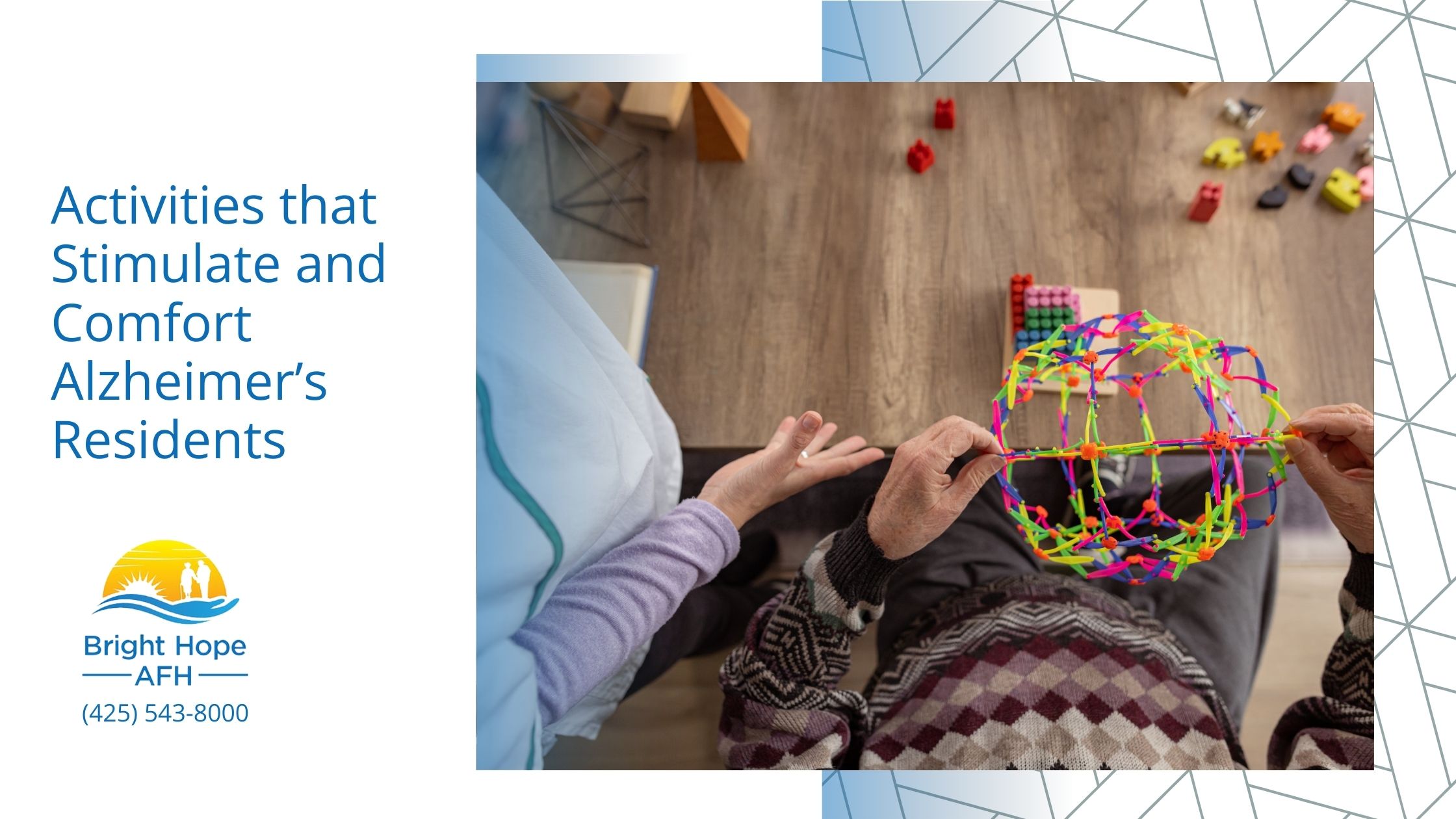
- Sensory Bins and Boards: Filling a bin with dry rice, beans, or soft fabrics for residents to run their hands through provides tactile stimulation. A “feely board” with different textures like velvet, buttons, and faux fur can be captivating.
- Aromatherapy: Calming scents like lavender or familiar smells like fresh-baked cookies can trigger positive memories and create a relaxing atmosphere. Always use scents mildly and with resident preferences in mind.
Cognitive Stimulation Through Familiar Tasks
Engaging in simplified, familiar tasks can provide a sense of purpose and competence, tapping into procedural memory.
- Life Skills Activities: Folding laundry (a basket of towels), wiping a table, sorting cutlery, or rolling yarn can feel productive and calming.
- Memory Cue Boxes: Creating a box filled with items from a resident’s past career or hobbies—like garden tools for a former gardener, or fabric swatches for a seamstress—can spark conversation and recognition.
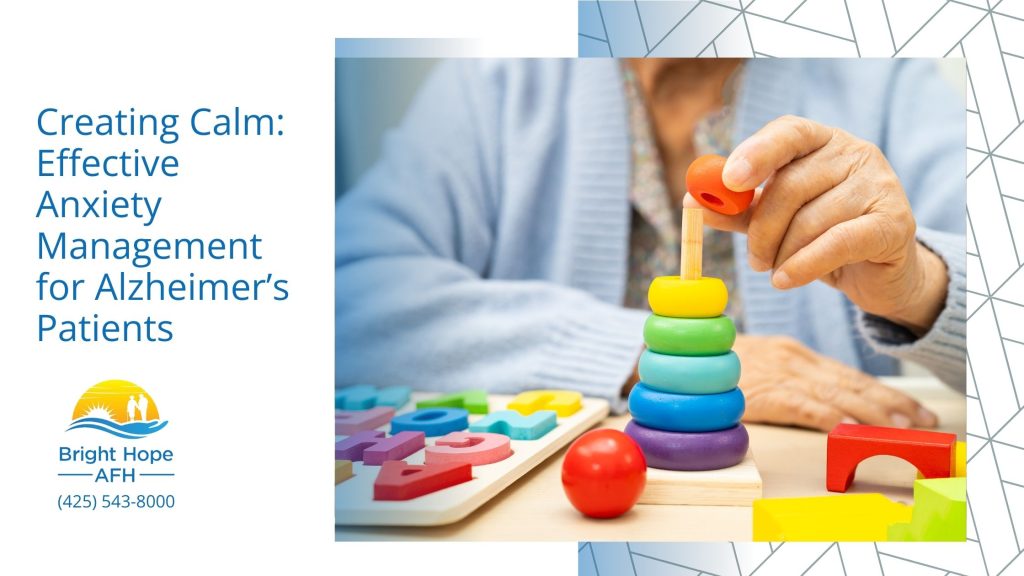
- Simple Puzzles and Games: Large-piece puzzles, matching games with familiar images, or dominoes can offer gentle cognitive challenge in a low-pressure setting.
Creative and Artistic Expression
Art and music access parts of the brain less affected by Alzheimer’s, offering powerful channels for expression and comfort.
- Music Therapy: Listening to music from a resident’s youth is profoundly effective. Creating personalized playlists can calm, uplift, and even prompt singing or dancing. At Bright Hope Adult Family Home, we often see residents light up when a favorite old tune plays. For more on the science behind this, the Music & Memory program is a fantastic resource.
- Reminiscence Therapy: Using old photos, music, or movies to gently guide residents through memories of their past. This validates their life experience and strengthens the caregiver-resident bond. Our own approach to building these connections is detailed in our blog post on Creating a Person-Centered Care Plan.
- Simple Art Projects: The focus is on the sensory pleasure of the activity. Painting with large, easy-grip brushes, molding with soft clay, or coloring in large-print designs can be very satisfying.
Physical Movement and Nature
Gentle physical activity improves mood, sleep, and overall well-being.
- Seated Exercises: Chair yoga, stretching with gentle music, or simply tossing a soft ball can improve circulation and provide a fun, social experience.
- Walking and Gardening: A short, supported walk in a safe garden or even indoor “walking” to a destination (like to get a glass of water) provides purpose. Tending to a potted plant or sensory garden offers connection to nature.
The Bright Hope Approach: Connection is the Ultimate Goal
At Bright Hope Adult Family Home, our philosophy is that every activity, no matter how small, is an opportunity for meaningful connection. We take the time to learn each resident’s history, passions, and preferences, weaving them into daily engagements. Whether it’s humming a hymn while folding napkins, looking through a photo album from a favorite vacation spot, or simply sitting together enjoying the sunshine, our goal is to create moments of clarity, comfort, and joy.
The most important “activity” of all is compassionate presence. Sometimes, sitting quietly, holding a hand, and sharing a smile is the most therapeutic engagement of all. By integrating these stimulating and comforting activities into daily life, we honor the individual behind the diagnosis, providing not just care, but genuine companionship and bright hope for each day.