For many families, the phrase “retirement home care” can evoke mixed emotions, often tangled with concerns about a loved one losing their cherished autonomy. The prevailing myth is that such a move signifies an end to self-sufficiency. However, the modern reality of high-quality senior care is beautifully opposite. Today’s leading retirement homes, like Bright Hope Adult Family Home, are fundamentally designed not to diminish, but to actively promote and prolong senior independence. This is achieved by creating a supportive environment that removes unnecessary barriers, manages health risks, and provides the right level of assistance to empower residents to live life on their own terms.
The journey towards choosing a retirement home often begins when the challenges of maintaining a large family home, managing complex medications, or the creeping isolation of living alone begin to outweigh the benefits. Safety becomes a primary concern, but it shouldn’t come at the cost of dignity or personal freedom. The innovative approach of homes like Bright Hope Adult Family Home is to reframe safety not as a set of restrictions, but as the essential foundation upon which independence is rebuilt and sustained. It’s about swapping the anxiety of “what if I fall alone?” for the confidence of “I can enjoy my walk knowing help is nearby if I need it.”
So, how does a specialized care home actively foster independence? It starts with a philosophy of person-centered care. This means care plans are not one-size-fits-all schedules but are tailored to the unique history, preferences, and capabilities of each individual. At Bright Hope Adult Family Home, the day begins with choices, not directives. What time would you like to wake up? What would you prefer for breakfast? Would you like to join the gardening group or spend time in the library? These daily decisions, though seemingly small, are powerful affirmations of personal control and agency.
The physical environment itself is meticulously crafted to support, not hinder. Thoughtful modifications—such as grab bars in bathrooms, clutter-free pathways, and accessible gardens—reduce fall risks, which are a major threat to an older adult’s ability to live independently. By mitigating these dangers, residents gain the confidence to move about freely, attend to personal care with privacy, and engage in hobbies without constant fear. This secure base allows them to focus their energy on living, not just on navigating hazards.
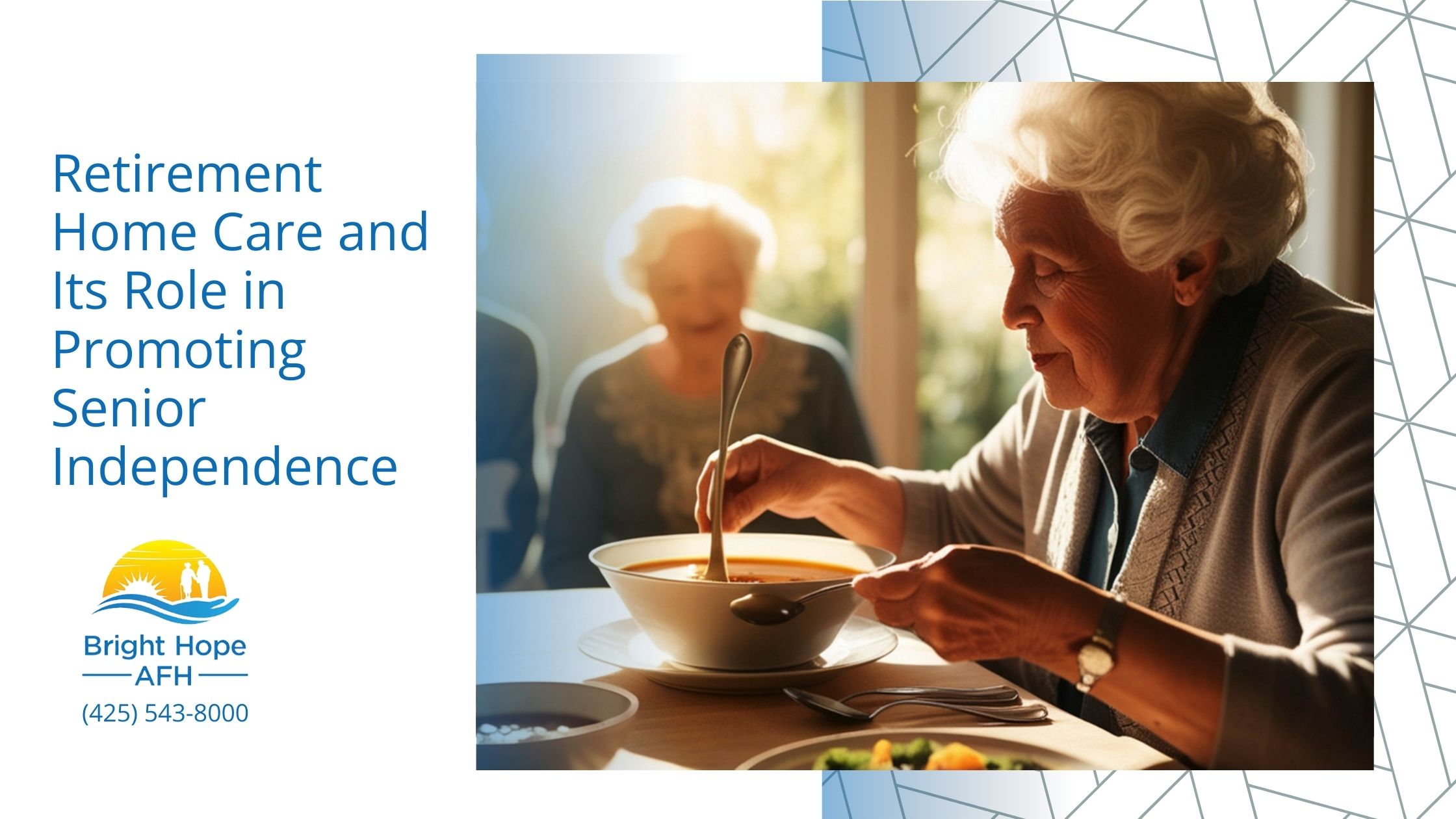
Another critical pillar is the management of health and wellness. Consistent, professional monitoring of medications, nutrition, and chronic conditions prevents minor issues from escalating into major health crises that could lead to hospitalization and a dramatic loss of function. A stable health foundation is non-negotiable for maintaining independence. Furthermore, services like housekeeping, maintenance, and meal preparation liberate residents from the burdensome tasks that may have become overwhelming. This liberation of time and energy is profound; it allows seniors to redirect their focus to what brings them joy and purpose—be it socializing, creative pursuits, or simply relaxing without the weight of chores.
Perhaps the most underrated aspect is the social ecosystem. Isolation is a silent thief of independence, linked to depression, cognitive decline, and physical deterioration. A retirement community provides built-in opportunities for connection. Shared meals, planned activities, and casual conversations in common areas combat loneliness and stimulate the mind. This engaged, social lifestyle supports mental acuity and emotional well-being, which are just as vital to self-sufficiency as physical health. For more insights on combating this issue, the National Council on Aging offers excellent resources on the importance of social connection for seniors.
Families also find a renewed sense of partnership. The strain of being a full-time, long-distance, or anxious caregiver can often lead to dynamics that unintentionally infantilize a loved one. By entrusting daily care to compassionate professionals, family visits can transform back into quality time—filled with conversation, shared memories, and genuine enjoyment, rather than being dominated by medical tasks and worry. This shift preserves and often deepens the parent-child or grandparent-grandchild relationship.
Ultimately, the role of a modern retirement home like Bright Hope Adult Family Home is to be a catalyst for a thriving, engaged life. It’s about providing the right support framework so that each resident can write their own story for as long as possible. Independence isn’t defined by doing everything alone, but by having the authority to make choices about one’s life, body, and time. It’s the freedom to pursue hobbies with provided transportation, the dignity of managing personal care with discreet assistance, and the peace of mind that comes from a community that truly cares.
Choosing a retirement home is not a surrender of independence; it can be its most strategic safeguard. By offering a blend of safety, personalized support, and vibrant community, establishments like Bright Hope Adult Family Home empower seniors to shed the burdens that limit them and embrace the aspects of life that fulfill them. This model of care proves that with the right environment and philosophy, our later years can be marked not by decline, but by sustained autonomy and continued growth. To see how this philosophy is put into daily practice, you can explore more about [our approach to personalized care here] https://brighthopeafh.com/retirement-home-care/.